0x077c6e7e077c…077c6e7b
South Korea's FIU Blocks 27 Unregistered Crypto Exchange Sites
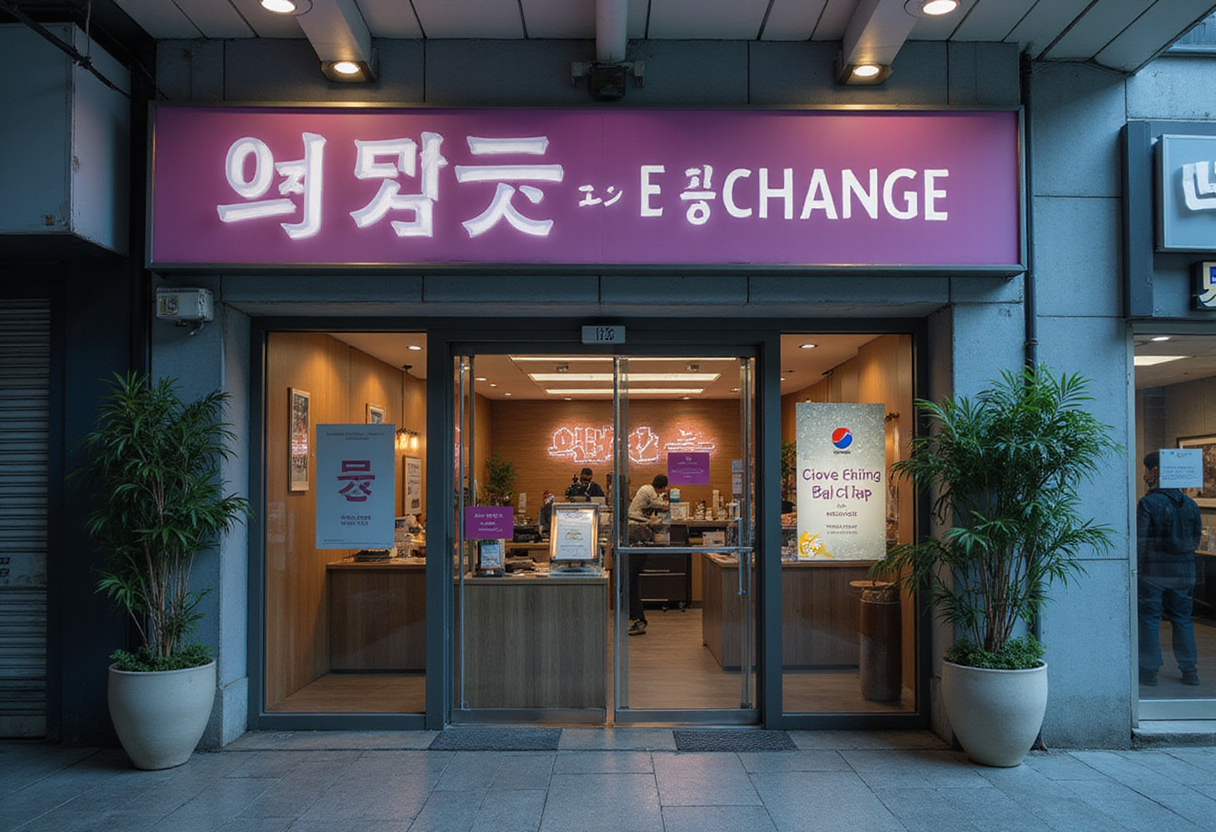
South Korea's FIU has blocked 27 unregistered crypto exchange websites, tightening enforcement under the 2021 reporting act while leaving customer fund exposure undisclosed.
Outputs
South Korea's FIU blocked 27 unregistered crypto exchange websites
Registration requirement stems from the Special Financial Transaction Information Act, effective March 2021
Blocking restricts domestic access but does not seize or freeze customer funds
FIU did not disclose Korean customer exposure on the affected platforms
FIU's mandate expanded under the Virtual Asset User Protection Act effective July 2024
South Korea's Financial Intelligence Unit (FIU) has blocked access to 27 cryptocurrency exchange websites operating in the country without the registration required under the Act on Reporting and Using Specified Financial Transaction Information. The action, reported by Cryptopolitan, targets platforms serving Korean users while remaining outside the regulator's direct supervisory perimeter.
The blockades are the latest step in a multi-year enforcement arc. Since the Special Financial Transaction Information Act took effect in March 2021, Korea has required all virtual asset service providers to register with the FIU, maintain real-name bank accounts at domestic institutions and submit to anti-money-laundering oversight. Foreign exchanges that serve Korean customers without meeting those conditions have operated in a legal gray zone; website blocking is the state's primary tool for severing that access.
What does the blocking actually change?
Website blocking restricts domestic internet access to the named domains, but it does not seize funds, freeze accounts or charge operators with offenses. Korean users who hold assets on blocked platforms can generally still withdraw through direct app access, virtual private networks or non-Korean domains, a workaround familiar from earlier block campaigns. The FIU has not, at least in the reporting available, disclosed whether any of the 27 platforms hold material volumes of Korean customer deposits.
That omission matters. Enforcement announcements of this type routinely omit the assets-at-risk figure, leaving regulators unable to quantify consumer exposure and unable to say whether blocked platforms will honor withdrawals. The FIU has also not named a follow-up enforcement window or stated whether criminal referrals to prosecutors will follow.
The operational stakes for exchanges
For the blocked platforms, the measure cuts off the easiest acquisition channel in one of Asia's largest retail crypto markets. Korea's won-denominated trading volumes have historically ranked among the highest globally per capita, which makes domain-level exclusion a meaningful commercial penalty even without asset seizure. For compliant domestic exchanges, the action narrows the pool of unregistered competitors offering services that skirt real-name banking rules.
The pattern is consistent with regional precedent. Korea has previously coordinated with the National Police Agency and telecommunications carriers to block unregistered offshore exchanges, and regulators across the Asia-Pacific have favored access-restriction measures over direct prosecution of offshore operators, largely because jurisdiction over foreign-registered entities is limited.
What comes next
The FIU is expected to continue identifying unregistered platforms as it absorbs expanded duties under the Virtual Asset User Protection Act, which took effect in July 2024 and widened its mandate from anti-money-laundering supervision to investor-protection enforcement. Whether the unit supplements website blocking with measures that reach customer funds — such as mandated withdrawal windows or account freezes — remains the open question; access restriction alone does not return a single won to users of the affected platforms.
via Google News - Crypto Regulation (Source)
More from Elena Vasquez
Show full bio
Staff writer covering regulation, policy and their impact on crypto and web3 industry at Mempool Brief.
494 articles