0x48b1a28f48b1…48b1a292
Sberbank Joins Bank of Russia Crypto Exchange Register, Eyes Dec. 1 Launch
The Bank of Russia has added Sberbank to its crypto exchange register. The bank will open BTC, ETH and USDT trading to all clients on Dec. 1 under new rules.
Outputs
The Bank of Russia added Sberbank to its crypto exchange provider register, making it the ninth organization listed.
Sberbank plans to open crypto trading to all clients on Dec. 1 via its existing app interfaces.
The bank is already testing BTC, ETH and USDT trades, with the central bank to set the final permitted coin list.
From July 2027, Russian crypto transactions must route through registered intermediaries, effectively banning P2P deals via bank accounts.
A law effective Sept. 1 replaced the central bank's 2022 proposed crypto ban with a regulated market framework.
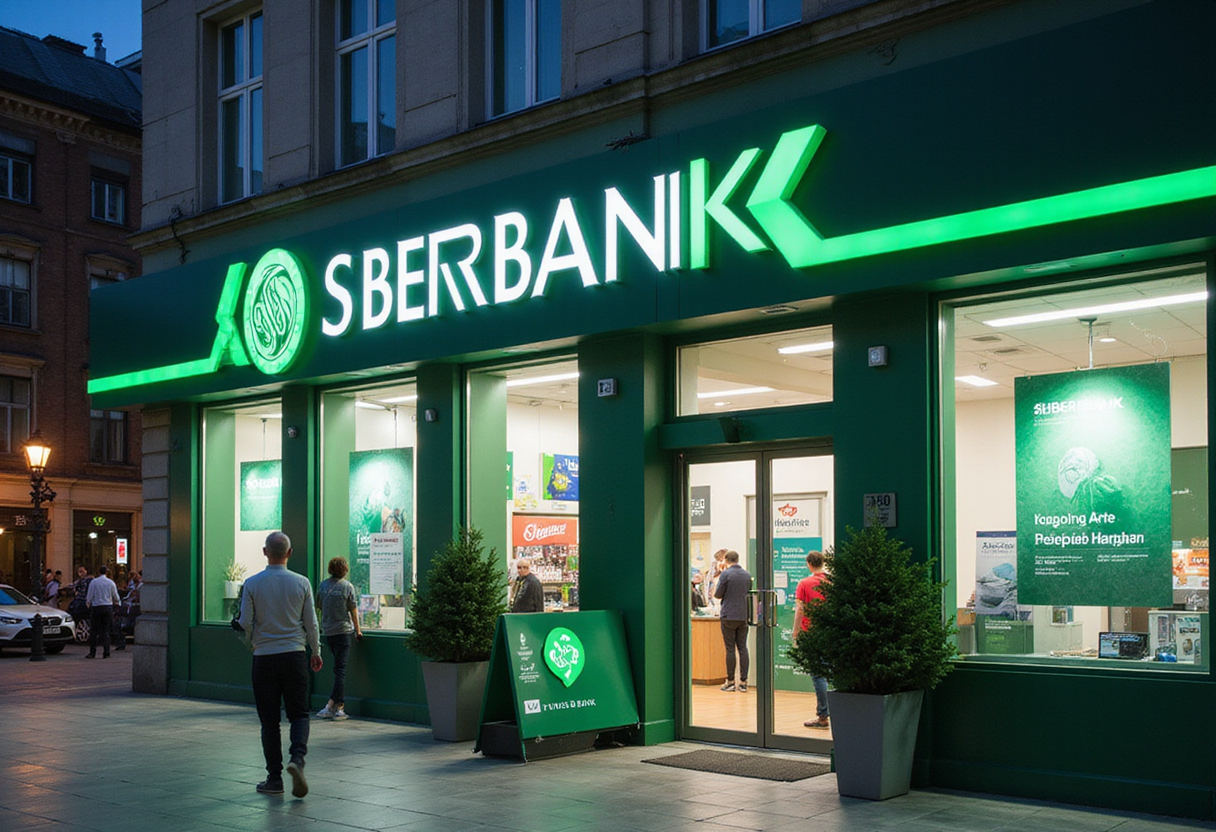
The Bank of Russia has added Sberbank, the country's largest bank, to its register of cryptocurrency exchange providers, clearing the way for the state-owned lender to offer crypto trading to its entire client base starting Dec. 1.
Sberbank is already testing trades in bitcoin (BTC), ether (ETH) and Tether (USDT) inside its mobile app, according to Interfax. The central bank will set the final list of permitted tokens, the bank told Vedomosti, but the infrastructure work is largely done.
The registration is the second regulatory milestone this month for Sberbank. It joined the Bank of Russia's digital depository register earlier in October, taking on a role in recording clients' crypto holdings. The two registrations cover different functions under Russia's new market structure: registered crypto dealers can buy and sell cryptocurrencies using their own funds outside organized exchanges, while depositories record ownership and transfers, according to the central bank.
Together, they give Sberbank a route to offer both trading and custody-related services. The bank has also been building a crypto wallet since earlier this year.
How big is the regulated club?
Sberbank becomes the ninth organization on the exchange register. The list already includes VTB, another state-controlled giant, and T-Invest Lab. In other words, the core of Russia's banking system is now formally inside the crypto market — not on its sidelines.
That marks a striking reversal from 2022, when the central bank proposed banning domestic crypto exchanges outright and prohibiting Russian financial intermediaries from handling digital assets at all. Instead, a law that took effect Sept. 1 created a regulated market involving banks, brokers, exchanges and digital depositories. The register entries are how that framework gets populated, one institution at a time.
What does this change for Russian investors?
The practical gains are convenience and legality. From Dec. 1, Sberbank plans to debut its first crypto products through interfaces its customers already use, according to Interfax. No separate app, no offshore exchange, no gray-market intermediary. Trading sits inside the same banking relationship that handles rubles and deposits, with custody recorded by a registered depository.
The controls tighten alongside the opening, however. Domestic crypto payments remain prohibited outright. And from July of next year, crypto transactions must go through registered intermediaries, according to the central bank — a rule that would effectively shut down peer-to-peer crypto deals settled through ordinary Russian bank accounts, a channel that has long carried large volumes of informal and sanctions-adjacent flows.
The timeline matters here. Sberbank's Dec. 1 launch lands roughly seven months before the intermediary mandate takes effect, a window in which regulated on-ramps are being built while the unregulated ones still operate.
Why the state is doing this now
Moscow's effort to bring crypto trading and custody inside its regulated financial system serves several operational goals at once. It channels retail activity through institutions the central bank can supervise. It creates records of ownership through registered depositories. And it concentrates flows through banks — Sberbank, VTB — that the state controls or can direct.
For Sberbank itself, the business logic is straightforward. Crypto trading adds a product line to an app its clients already hold, and custody services add recurring infrastructure revenue on top. The bank has spent months preparing the trading plumbing, and its dual registration means it can capture both sides of the transaction.
What comes next
Watch two things. First, the central bank's final list of permitted coins — Sberbank's own testing slate of BTC, ETH and USDT is not yet the official one. Second, the July 2027 deadline for mandatory intermediary routing, which will force peer-to-peer sellers and OTC desks operating through Russian bank accounts to either register or exit.
via CoinDesk (Source)
More from Marcus Bennett
Show full bio
Senior reporter covering money, funding and market shifts around crypto and web3 industry at Mempool Brief.
461 articles